KANTECH KT-NCC-G2 Network Communication Controller Ncc
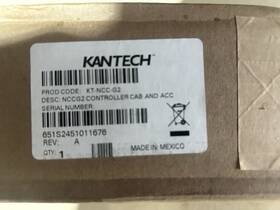
( Brand: Kantech ), ( Manufacturer Part Number: KT-NCC-G2 ), ( Type: Controller )
Review KANTECH Kt ncc Gen Network Communication Controller
The **Kantech KT-NCC-G2 (KT-NCC Gen Network Communication Controller)** is a robust, enterprise-grade network communication controller designed to seamlessly integrate security systems with modern IP-based networks, ensuring reliable data transmission, remote monitoring, and scalable connectivity for commercial and industrial applications. Engineered with a focus on performance and flexibility, this device serves as a critical bridge between traditional analog security infrastructure such as access control, fire alarms, and intrusion systems and contemporary networked solutions, enabling real-time communication over Ethernet, Wi-Fi, or cellular networks. Built with a compact yet durable form factor, the KT-NCC-G2 is constructed from high-quality materials to withstand harsh environmental conditions, including temperature fluctuations, humidity, and electromagnetic interference, making it ideal for deployment in demanding settings like hospitals, government facilities, data centers, and large-scale commercial buildings.
At its core, the KT-NCC-G2 leverages advanced networking protocols, including TCP/IP, UDP, and HTTP(S), to facilitate secure and efficient data exchange between security devices and centralized management platforms. Its dual Ethernet ports allow for redundant connectivity, ensuring uninterrupted operation even if one network link fails, while optional Wi-Fi and cellular (LTE/4G) modules provide additional flexibility for off-site monitoring and remote access. The device supports a wide range of communication standards, such as Kantech s proprietary protocols, BACnet, Modbus, and RESTful APIs, allowing it to interface seamlessly with third-party security systems, building management software, and cloud-based analytics platforms. This interoperability ensures that integrators and end-users can tailor the KT-NCC-G2 to their specific workflows, whether deploying a unified security ecosystem or integrating with legacy systems.
One of the standout features of the KT-NCC-G2 is its **high-speed data processing capability**, capable of handling thousands of events per second with minimal latency, which is essential for real-time security responses. The controller includes built-in encryption protocols, such as AES-256 and TLS, to safeguard sensitive data transmissions, mitigating risks associated with unauthorized access or cyber threats. Additionally, its **low-power design** and energy-efficient components contribute to reduced operational costs while maintaining peak performance, making it a cost-effective solution for long-term deployments. The KT-NCC-G2 also supports **VLAN tagging** and **QoS (Quality of Service) prioritization**, ensuring that critical security traffic is given precedence over less urgent network traffic, further enhancing reliability in high-demand environments.
For system administrators and integrators, the KT-NCC-G2 offers a **user-friendly web-based interface** and **command-line interface (CLI)**, simplifying configuration, monitoring, and troubleshooting tasks. Remote management capabilities allow for real-time diagnostics, firmware updates, and configuration adjustments without physical access to the device, streamlining maintenance and reducing downtime. The controller also includes **logging and audit trail functionalities**, providing detailed records of system events, user activities, and network communications for compliance and forensic purposes. Whether deployed as part of a comprehensive security network or as a standalone communication hub, the KT-NCC-G2 delivers a **future-proof, scalable, and secure** foundation for next-generation security infrastructure, empowering organizations to enhance situational awareness, improve response times, and maintain operational continuity in an increasingly interconnected world.
### **Pros and Cons of buying a Kantech KT-NCC-G2 (KT-NCC Gen Network Communication Controller)**
#### **Pros:**1. **Enhanced Network Integration** The KT-NCC-G2 is designed to bridge traditional access control systems with modern networked solutions, allowing for seamless integration with IP-based security systems, video surveillance, and other smart building technologies.
2. **Scalability** It supports multiple communication protocols (e.g., Wiegand, RS-485, Ethernet) and can accommodate expansions in access control systems without requiring a complete overhaul.
3. **Remote Monitoring and Management** The device enables centralized control and real-time monitoring through networked interfaces, making it easier for administrators to manage access permissions, logs, and system status from anywhere.
4. **Compatibility with Kantech Systems** As part of Kantech s ecosystem, it works seamlessly with their access control panels, card readers, and other security hardware, reducing integration challenges.
5. **Improved Data Security** Networked communication enhances security by allowing encrypted data transmission and integration with cybersecurity measures like firewalls and VPNs.
6. **Future-Proofing** By adopting network communication, the system can be updated with software upgrades and new features without replacing hardware.
7. **Audit and Reporting Capabilities** Network connectivity allows for automated logging and reporting, which is crucial for compliance and security audits.
---
#### **Cons:**1. **Complexity in Setup** Unlike standalone access control systems, the KT-NCC-G2 requires network configuration, IP addressing, and potential firewall adjustments, which may demand technical expertise.
2. **Dependence on Network Stability** If the network experiences downtime, the access control system may be temporarily disrupted, unlike wired or isolated systems.
3. **Potential Latency Issues** In large or poorly optimized networks, communication delays could affect real-time access control responses.
4. **Cost of Network Infrastructure** If the facility lacks a robust network setup (e.g., proper cabling, switches, or IT support), additional investments may be needed to ensure smooth operation.
5. **Security Risks** Networked systems are vulnerable to cyber threats such as hacking, unauthorized access, or data breaches if proper security protocols (e.g., VPNs, encryption) are not implemented.
6. **Vendor Lock-In** While Kantech systems are well-integrated, reliance on their ecosystem may limit flexibility if switching to a different vendor in the future.
7. **Training Requirements** Staff may need training to manage the networked system effectively, adding to operational costs.
---
### **Conclusion**
The **Kantech KT-NCC-G2** is a powerful tool for modernizing access control systems by enabling network communication, scalability, and remote management. It is ideal for facilities that prioritize integration with smart security solutions, require centralized monitoring, and plan for future growth. However, its benefits come with trade-offs, including higher complexity in setup, network dependency, and potential security risks.
For organizations with existing Kantech infrastructure, strong IT support, and a need for advanced security integration, the KT-NCC-G2 is a worthwhile investment. Conversely, smaller facilities with limited network resources or minimal IT expertise may find it more challenging to implement effectively.
### **Recommendation**
If your facility already uses Kantech products and has a reliable network infrastructure, the **KT-NCC-G2 is highly recommended** for upgrading to a more flexible and future-proof access control system. Ensure that:
- Your IT team or a security specialist assists with installation and configuration.
- Network security measures (firewalls, encryption, and access controls) are properly implemented.
- Training is provided for staff to manage the networked system.
For facilities without a strong network foundation or limited technical resources, consider evaluating the long-term costs and benefits carefully before purchasing. Alternatively, a hybrid approach (combining wired and networked components) may offer a balanced solution.
Details:
For sale is a new Kantech KT-NCC-G2 network controller. The packaging tape on one side has ripped causing the unit to be labeled as open box but not been removed from its original.
part #: ktnccg2 price
- $1995.99
specifications surveillancegadgetgo:
- brand: Kantech
- mpn: Kt-ncc-g2
- type: Controller
seller surveillancegadgetgo:
- city: Winston-Salem, North Carolina
- # reviews: 13
- rating: 100.0%
offer surveillancegadgetgo:
- quantity: 1
- availability: In Stock
- options: Ship-to-home
- best offers: True
- sold: 0
- started: February 9, 2026
general surveillancegadgetgo:
- condition: Open box
- Home Surveillance > Home Surveillance Parts Accessories > Other Surveillance Parts Accessories
returns surveillancegadgetgo:
- policy: No Returns
shipping surveillancegadgetgo:
- service: USPS Priority Mail
- transit: 4-9 Days
- class: Expedited
- type: Calculated
- cost: $25.84
- carrier: USPS
payments surveillancegadgetgo:
- other
- wallet: Paypal
- credit card: Mastercard
Kantech KT-NCC-G2 Is Similar To:
- Kantech Kt-cab3000ldr Kt-cab000ldr Multi-door Controller Kit Enclosure Cabinet (45.4% similar) Box at this time. This is not applicable to those who received a damaged package. Kantech KT-CAB000LDR multi-door controller kit enclosure cabinet certified refurbished...(August 6th, 2024)
- Kantech 840456151501 Kt-1 Ethernet Ready One Door Controller Single Gang Mount New Open Box (39% similar) With its single gang mount design, it is easy to install and use. This Kantech KT-1 Ethernet ready one door controller is a powerful unit that perfect for home surveillance needs. With its easy-to-use interface, you can easily control your homes front entrance and keep an eye on property at all ...(October 12th, 2024)
- Kantech Tr1675 New Door Controller Transfomer With Reset Tr1675 (39.7% similar) If it is not shown, please assume included.: 16VAC, 75VA, output transformer w/ reset. This listing only includes what is shown in the photographs. Guarantee: see for details. Condition: new. Notes: coo: china. Of the product: you are buying on following. Some items are shipped to Canada and/or ...(November 8th, 2024)
- Kantech Sa-550 Iopass Stand-alone Door Controller (41.1% similar) Io pass keypad with integrated reader single or dual credentials includes 10 proxy key tags credentials...(March 8th, 2025)